

Today placing a bet can happen in seconds. A person opens a website or mobile app, selects an outcome, and presses the confirm button. Within a moment the bet is active.
To the player, the process feels simple.
But behind that single click, an entire chain of technology begins working. Databases record the wager, odds engines confirm the price, risk systems check exposure, and payment systems prepare possible payouts.
Most players only see the beginning and the end. They place a bet and later see whether they won or lost.
In reality, every wager follows a detailed path through several systems before the final result appears in the player’s balance.
Understanding this hidden journey reveals how modern betting platforms handle millions of wagers every day.
Step 1: The Click That Starts Everything
Every bet begins with a decision.
A player might be watching a football match, spinning an online slot, or browsing a list of betting markets. Once they choose an outcome and enter a stake amount, they press the confirm button.
At that exact moment the betting platform records several pieces of information:
- Player account ID
- Bet amount
- Selected odds
- Time of the wager
- Event or game details
This information is stored inside secure databases so the wager can be tracked and verified later. Betting platforms rely on transactional systems that ensure the bet is recorded properly before anything else happens.
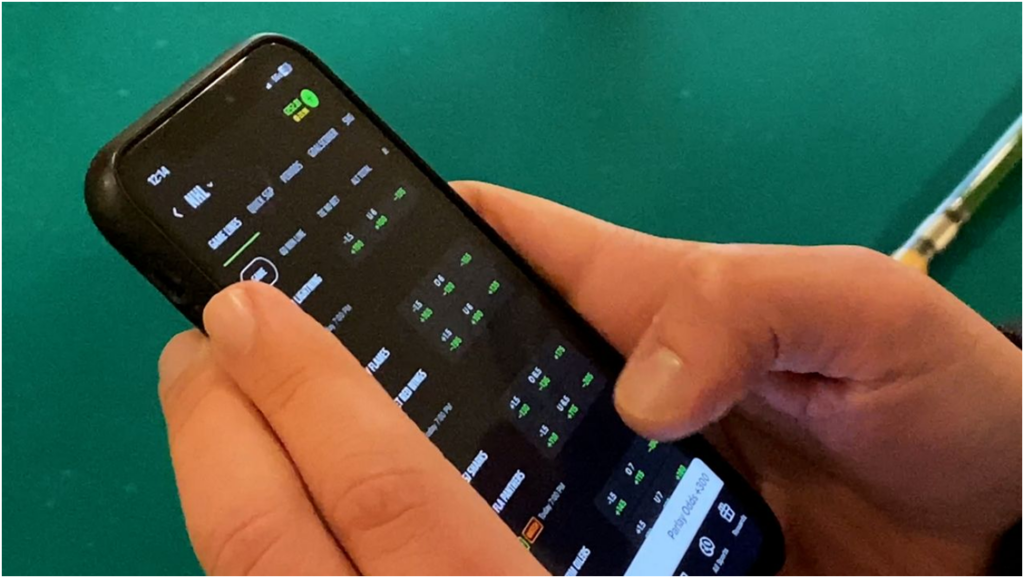
Modern sportsbooks process thousands of bets per second during popular matches. The system must confirm that the odds are still valid and that the player has enough balance before the bet becomes official.
Step 2: The Betting Engine Confirms the Wager
Once the bet is submitted, the platform’s betting engine takes control.
This software performs several checks in milliseconds:
- It verifies that the odds have not changed.
- It locks the wager amount from the player’s wallet.
- It records the bet inside the system database.
- It updates the sportsbook’s risk management system.
This step is important because sportsbooks must manage thousands of bets on the same event. Their systems monitor how much money is being placed on each outcome so the operator can control risk and maintain balance across the market.
For example, sportsbooks often operate with a small built-in margin known as the house edge, which usually ranges around 5 to 7 percent depending on the sport.
That margin helps ensure the platform remains profitable even when players win large bets.
Step 3: The Waiting Period
After the bet is accepted, the system waits for the event to unfold.
If the wager is on a slot game or casino round, the result appears instantly through a Random Number Generator, which produces unpredictable outcomes.
If the wager is on sports, the system must wait until the match finishes.
During this period several background systems remain active:
- Live data feeds update scores and statistics
- Odds engines adjust betting prices
- Risk systems monitor unusual betting patterns
- Cash-out options may appear for live bets
Some sportsbooks even allow players to cash out early, accepting a smaller guaranteed profit before the event ends if the odds move in their favor.
Example
A bettor places $100 on Team A at odds of 2.50.
If Team A scores early in the match, the sportsbook might offer a cash-out option of $140 before the final whistle.
The player can accept that early payout or keep the bet running.

Live betting has become one of the fastest growing segments in the industry because players can place wagers while the event is still happening.
Step 4: The Result Is Verified
When the game or event ends, the betting platform begins the settlement process.
This is where the system compares the final result with every related bet.
For sports betting, platforms rely on official sports data providers that deliver final scores and match statistics. Once the data is confirmed, the system automatically checks which wagers are winners.
If the prediction is correct, the bet becomes a winning bet. If not, the stake is recorded as a loss.
All of this usually happens within seconds.
Example
Suppose a player places a bet:
- Stake: $50
- Odds: 2.00
- Prediction: Team A wins
If Team A wins, the payout calculation becomes:
$50 × 2.00 = $100 total return.
The system instantly adds this amount to the player’s balance.
This stage is where the betting platform performs final calculations and confirms the official result before releasing funds.
Step 5: The Money Returns to the Player
If the bet wins, the last step of the journey begins.
The platform credits the winnings to the player’s account balance. This usually happens automatically once the event result is confirmed.
At this point the player can either:
- Use the money to place more bets
- Withdraw the funds to a bank or digital wallet
Before a withdrawal is processed, many platforms perform identity checks known as KYC verification to prevent fraud and protect financial systems.
Once approved, the payment system sends the funds through the chosen method, which might include:
- Bank transfer
- Digital wallet
- Cryptocurrency payment
- Debit or credit card
Some withdrawals are completed within minutes, while others may take several hours depending on the payment method.
What Real Players Say About the Process
Players who frequently use betting platforms often share similar observations about how the system works behind the scenes.
One bettor commented in an online sports betting discussion:
“Most people think the bet ends when the match finishes, but actually the system still has to verify the result and settle every ticket. That’s why some payouts take a little longer.”
Another experienced bettor wrote:
“The interesting part is how fast the systems are. You click confirm and the bet is already locked before you even see the confirmation screen.”
These experiences highlight how modern betting platforms rely heavily on automation and real-time data processing.
Industry Numbers That Show the Scale
The global online betting industry handles enormous volumes of transactions.
Some interesting statistics illustrate the scale:
- Major sportsbooks process millions of bets during major events like the World Cup or Super Bowl.
- Live betting now accounts for more than half of all sports wagers in many markets.
- Modern platforms run on cloud infrastructure to handle thousands of simultaneous users without delays.
This level of activity requires powerful backend systems that track every bet, balance, and payout in real time.
The Hidden System Behind Every Bet
From the outside, betting looks simple.
A player clicks a button, watches the event, and then checks their balance.
But behind that simple action is a sophisticated chain of technology.
Databases record the bet. Odds engines manage prices. Risk systems track exposure. Data feeds confirm results. Payment systems handle the money.
Each part works quietly in the background to ensure the process runs smoothly.
So the next time someone places a bet, it may still feel like a quick moment on a screen.
But behind that single click, a complex digital journey begins. It travels through systems, calculations, and verification steps before finally returning to the player as either a loss or a payout.
And that hidden journey is what makes modern betting possible for millions of players around the world every single day.