

Placing a bet in a casino looks simple on the surface. A player slides chips onto a table, taps a screen, or presses the spin button on a slot machine. Within seconds the game begins.
But behind that small moment is a structured system designed to make sure every wager is fair, recorded, and processed correctly.
Casinos handle millions of bets every day across table games, slot machines, and online platforms. According to global gaming industry estimates, major casino floors process tens of thousands of wagers per hour during busy periods. That scale requires precise procedures, trained staff, and powerful technology working together.
To understand how casinos maintain fairness, we need to look at the different layers involved in checking and accepting a bet.
The First Check Happens at the Table
In traditional table games, the first step happens right in front of the player.
Imagine a busy roulette table. Players gather around the green felt surface while a dealer stands at the center of the table. Before the wheel spins, players place chips on the numbers or betting areas they choose.
The dealer carefully watches every movement.
Dealers are trained to notice exactly where chips are placed and whether the bet is made before the round closes. Once the dealer calls “No more bets,” the betting phase officially ends. After that moment, chips cannot be moved or added.
This rule protects the integrity of the game.
If players could change bets after seeing where the ball lands or after cards are dealt, the game would become unfair. By locking bets at a specific moment, the dealer ensures that every player follows the same rules.
Example from a Roulette Table
At a roulette table, players can place different types of bets such as:
| Bet Type | Example | Typical Payout |
| Even money bet | Red or Black | 1 to 1 |
| Dozen bet | Numbers 1–12 | 2 to 1 |
| Single number bet | Number 17 | 35 to 1 |
The dealer must track every chip placed on these positions and later calculate payouts correctly. In busy casinos, a single dealer may monitor 20 or more active bets in one round, which requires strong focus and experience.
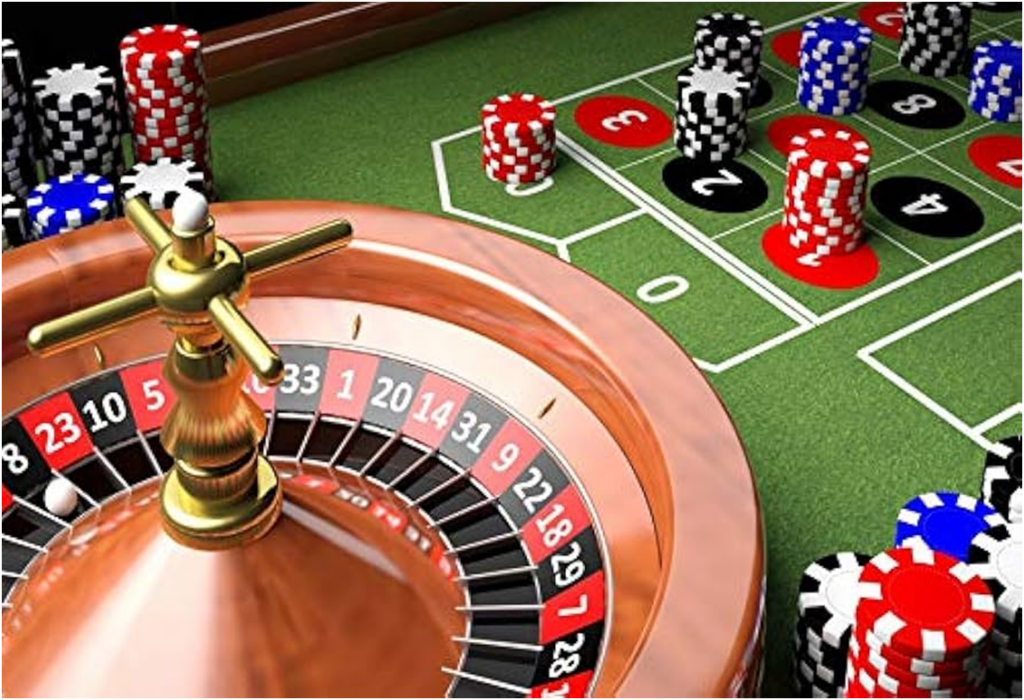
Roulette tables show how bets are clearly placed on specific areas. Dealers monitor chip placement before the round begins to ensure every wager follows the rules.
Surveillance Systems Watching the Floor
While dealers handle the table directly, another layer of monitoring happens above the casino floor.
Modern casinos operate extensive surveillance systems. Cameras are positioned across gaming areas to record every table, slot machine, and betting station.
These cameras are often called “eye in the sky” systems in the casino industry.
Security teams watch these feeds from dedicated surveillance rooms. Their job is to monitor activity and review any disputes that might occur.
According to casino security studies, large resorts can operate over 2,000 surveillance cameras monitoring the gaming floor, entrances, and cashier areas.
These recordings help resolve situations such as:
- disputes about where a chip was placed
- suspected cheating or collusion
- questions about a payout or dealer action
If a disagreement occurs, casino supervisors can review the footage and confirm exactly what happened during the round.
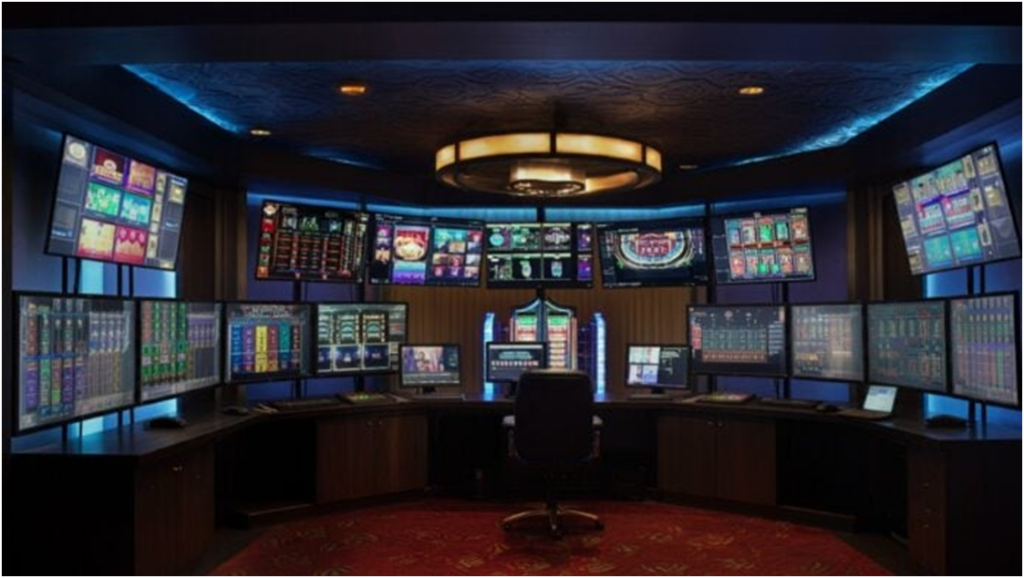
Security teams monitor multiple camera feeds to ensure that every wager and payout is handled correctly.
Digital Systems That Record Every Bet
In addition to human oversight, casinos rely heavily on digital tracking systems.
Electronic games automatically record every bet placed by players. This includes:
- the size of the wager
- the time the bet was placed
- the outcome of the game
- the payout amount
Slot machines are a good example of this process.
When a player presses the spin button, the machine instantly records the wager and triggers the game’s random number generator. The result is then calculated and displayed within milliseconds.
Industry statistics suggest that modern slot machines can process hundreds of spins per hour, with each spin recorded in the casino’s central system.
These digital records help casinos maintain transparency and identify any technical issues quickly.
Random Number Generators and Fair Outcomes
In electronic games such as slots, blackjack terminals, and online casino games, the bet is accepted by a computer system controlled by a Random Number Generator, often called an RNG.
An RNG constantly produces thousands of random number combinations every second. When a player confirms a bet, the system instantly selects one of these numbers to determine the outcome.
This ensures that results are unpredictable and fair.
Gaming regulators in many countries require casino software to undergo strict testing before it can be used in real money games. Independent testing laboratories analyze the code and verify that the randomness works correctly.
A well known mathematician once described gambling randomness this way:
“Randomness is the heart of casino games. Without true randomness, players would eventually detect patterns and the games would lose credibility.”
What Happens After the Bet Is Accepted
Once the betting phase closes, the game proceeds and the casino must finalize the result.
At table games this happens step by step.
First, the dealer confirms the winning outcome. Then losing bets are collected from the table. After that, winning bets are paid out based on the game’s payout structure.
For example, if a roulette ball lands on number 17, a player who bet on that number receives 35 times their wager.
Dealers carefully count the chips and place the winnings in front of the player. Accuracy is extremely important because multiple players may win during the same round.
Supervisors called pit bosses often oversee several tables at once to ensure dealers follow procedures correctly.

Dealers calculate payouts manually at table games and distribute the correct number of chips to winning players.
Real Player Experiences
Players often notice how smoothly this process works during gameplay.
One frequent casino visitor shared this experience in a gambling discussion forum:
“I once thought my chip had been placed on the wrong number at roulette. The casino checked the camera footage and confirmed the exact position within minutes.”
Another player described how surveillance protected them during a blackjack dispute:
“The dealer thought I had already placed my bet, but the camera review showed I hadn’t. The supervisor corrected the round immediately.”
These examples show how multiple systems work together to maintain fairness.
Statistics About Casino Betting Systems
Several interesting statistics highlight how structured casino operations really are:
- Large casinos can process tens of thousands of wagers per hour across all games.
- Some major resorts use over 2,000 surveillance cameras to monitor gaming areas.
- Modern slot machines can handle 400 to 600 spins per hour depending on player speed.
These numbers explain why casinos rely on both human staff and technology to manage such high volumes of activity.
A System Designed for Fairness
When we step back and look at the entire process, casino betting follows a clear sequence.
- The player places a bet.
- The dealer or system confirms the wager.
- Betting closes to prevent changes.
- The game produces a result.
- Payouts are calculated and delivered.
This routine happens thousands of times every day on a casino floor.
For players, the moment feels simple and exciting. They focus on the spin of the wheel or the turn of a card.
But behind the scenes, a network of dealers, supervisors, cameras, and computer systems is quietly working to ensure that every bet is handled correctly.
That careful structure is what allows casinos to run smoothly while keeping games fair for everyone involved.